
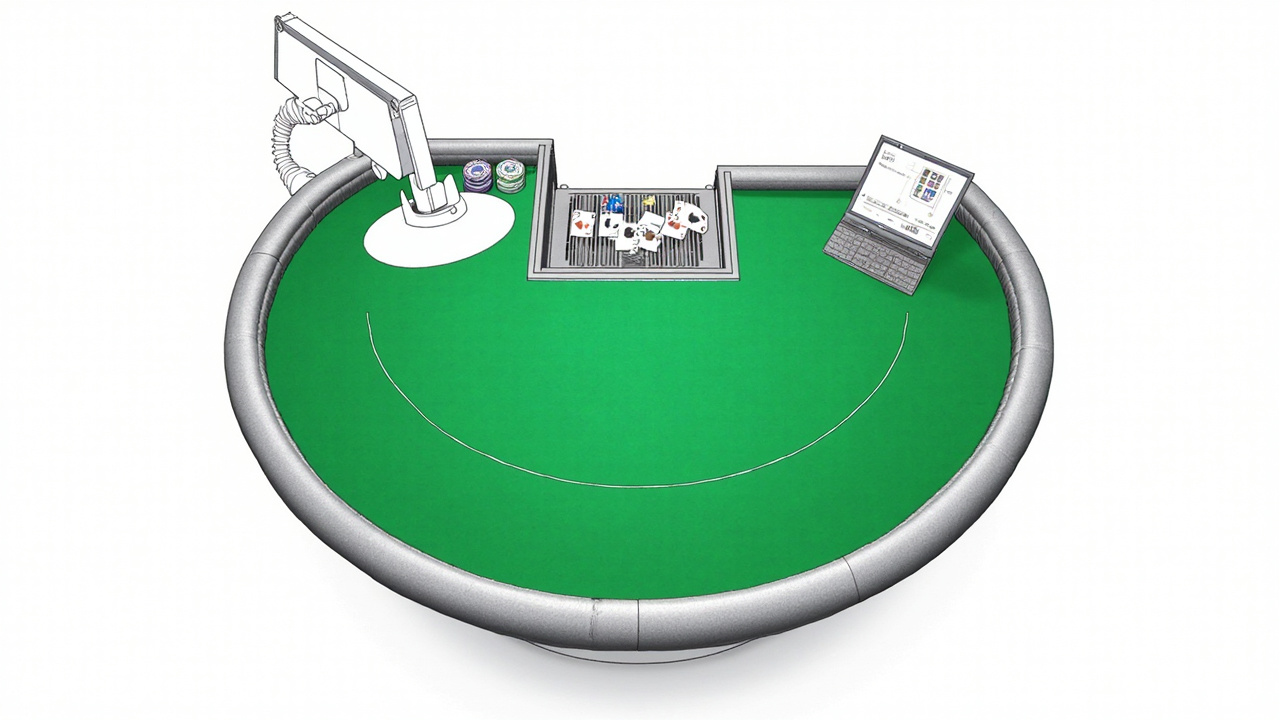
Most Aussie punters know the feel of a local club floor, but the digital shift has changed how we play. Live casino how it works is less about pressing buttons and more about watching a real dealer shuffle cards across a streamed table. You sit at home in Sydney or regional Victoria, bet through a browser, and the action unfolds in real time. It feels closer to a bricks-and-mortar venue than a random number generator, which is why so many locals reckon it suits their style better than spinning slots alone.
The setup is straightforward once you see it in motion. A professional croupier stands at a physical table inside a studio, and multiple cameras capture every shuffle, spin, and deal. Your screen shows the shoe, the wheel, and the dealer’s face, while a betting panel sits alongside. You pick your chip value, place the wager before the timer runs out, and the round plays out exactly as it would on a casino floor. The software handles the payout, but the cards and wheels are genuine, which removes the suspicion that the result is cooked by an algorithm. For anyone who wants the pace of a real table without leaving the couch, that transparency is the main draw. You can even check out the wanted-dead-or-a-wild-demo-au.com for a different kind of live-action feel if you want to compare styles.
The technology behind the stream matters more than most players realise. Studios run dedicated fibre lines so the video stays smooth even when the table gets busy. Audio is mixed to catch the clatter of chips and the dealer’s calls, which keeps the atmosphere honest rather than sterile. Behind the scenes, the platform syncs your bet with the dealer’s shoe, records the outcome, and credits the result to your account within seconds. If your connection drops mid-round, the system usually holds the bet until the stream reconnects, so you are not left guessing. That level of coordination is what separates a polished live room from a cheap video feed, and it is why regulars tend to stick with operators that invest in proper studio gear rather than cutting corners on the broadcast.
The games on offer usually lean on established providers, with blackjack, roulette, and baccarat forming the core. Some rooms add game-show style tables where a host calls the action and a wheel decides the multiplier, which gives the session a different rhythm. The dealer follows standard house rules, so the strategy side stays familiar to anyone who has played at a pub or club. You are not learning a new system each time you log on, which keeps the focus on reading the table and managing your stake. For players who value consistency, that familiarity is worth more than a flashy theme that changes every month. wanted-dead-or-a-wild-demo-au.com
Bonuses and promotions around live tables need a careful eye because the terms rarely match the ones on slots. A welcome offer might look generous on the surface, but the wagering requirement often sits higher on live dealer games, and some operators cap the contribution at a percentage of each bet. Eligibility usually ties to a verified account and a minimum deposit in Australian dollars, with limits on how much of the bonus you can swing onto a single table. Recurring promos, like weekly cashback or drop-and-match offers, tend to be more playable because they apply to real-money wagers without stacking extra turnover on top. The key is checking whether the bonus counts fully or only partially toward the playthrough, because that detail decides whether the offer is actually usable or just looks good in a banner. Payment methods usually include card deposits and trusted e-wallets, with withdrawals processed back to the original funding source once verification clears. Currency is typically AUD on local-facing rooms, which keeps the maths simple and avoids exchange-rate surprises when you are tracking your session.
Player fit comes down to what kind of session you want and how you handle pace. If you like a steady table with clear rules and a dealer who calls the action out loud, a classic blackjack or roulette room suits you better than a fast-paced game show variant. If you prefer a louder, more animated environment with multipliers and a host keeping the energy up, those specialty tables can be more engaging, though the bet sizes and tempo can run higher. The right choice depends on whether you want a measured session where you can track your bankroll or a livelier room where the action moves quickly and the stakes shift with the crowd.
For anyone weighing up a live room, the practical test is whether the stream stays reliable, the rules are posted clearly, and the bonus terms do not quietly work against live bets. A solid operator will show the table limits upfront, keep the dealer professional, and make the payout rules easy to find before you commit any money. If those pieces line up, the experience feels closer to a proper table game than a digital imitation, which is usually what Aussie players are after when they log on for an arvo session.
So next time you fire up a live table, what is the one thing that actually keeps you coming back – the dealer’s rhythm, the familiarity of the game, or just the feeling that you are playing a real table instead of a screen?