
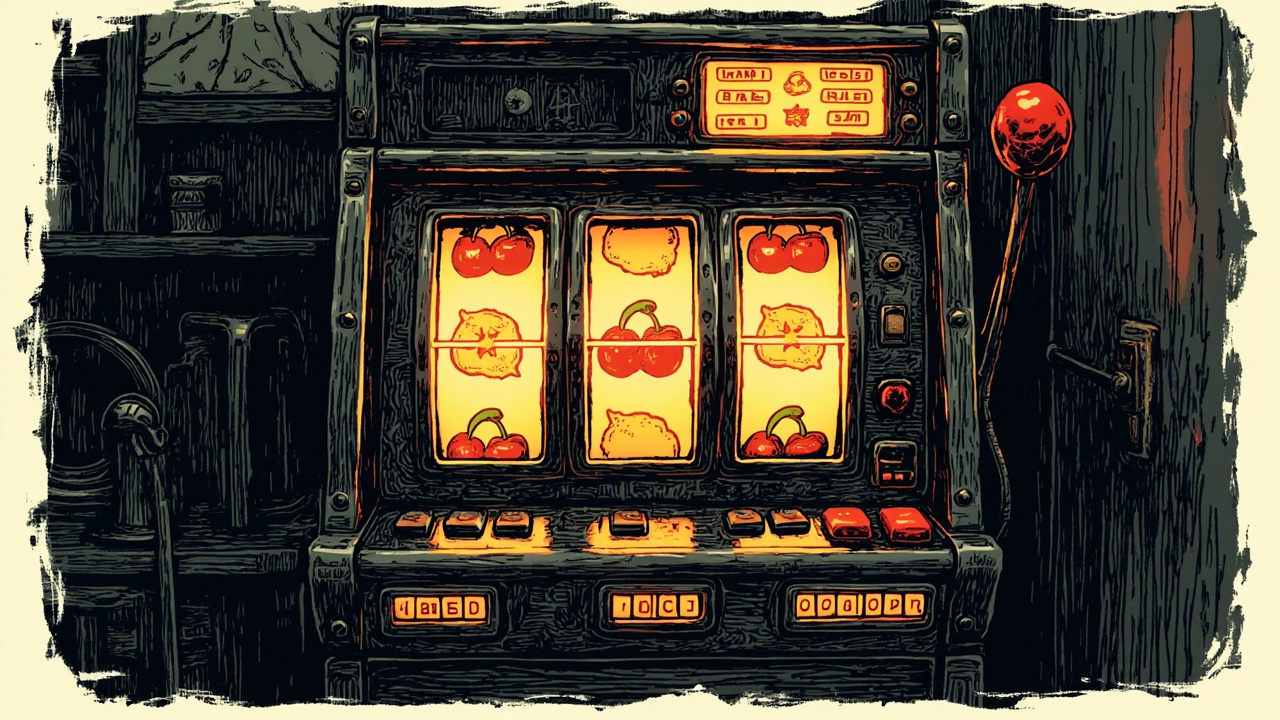
When I built commercial strategy for Flutter International across iGaming and crypto, the throughline was always the same: clear mechanics beat flashy promises every time. That mindset applies directly to a cluster pays pokies strategy, where understanding how groups of symbols collapse on the grid matters more than chasing a mythical payout. For Australian players, the real question is not which game looks busiest on the lobby, but whether the pay structure, localisation, and everyday usability actually suit the way you play on a Tuesday arvo or a long weekend session.
How a cluster pays grid changes what you should look for
A cluster pays grid rewards connected symbols rather than fixed paylines, which shifts the decision from “how many lines” to “how symbols tumble and expand”. In practice, a sensible cluster pays pokies strategy starts with the grid size and the win condition, because a 8×8 board with a five-symbol minimum behaves very differently from a tighter 7×7 layout with a lower threshold. Early European cards had suits of cups, coins, swords and batons, and that same logic of grouping related symbols still sits behind how modern clusters form and reward. When you weigh a title, check whether the game keeps a fixed cluster size or scales it as free spins trigger, since that scaling changes your expectation of repeat wins across a session. A short list of things worth checking before you commit time to a spin:
- Minimum cluster size required for any payout
- Whether symbols drop or tumble after a win
- If expanding symbols can fill multiple cells at once
- How the bonus trigger differs from the base grid Segalaceritera
That kind of checklist keeps you focused on the mechanics instead of the soundtrack.
Reading the bonus mechanics without overreading the screen
Bonus rounds in cluster pays titles usually hinge on a multiplier or a free-spin trigger that changes how clusters count, and your strategy should reflect that shift rather than treating the feature as a separate game. If a bonus multiplies each cluster by a fixed figure, the value comes from how often clusters land, not from chasing a single large hit. If the feature instead adds sticky wilds or expanding symbols, the grid itself becomes more volatile and your session plan should account for that swing. I have seen commercial pitches oversell feature frequency while burying the fact that the base grid pays sparsely, so a fair go means checking the actual contribution of the bonus to total returns on the paytable before you treat it as the main event. The interface should make that distinction visible without making you dig through three menus, because if the bonus conditions are buried, the game is asking you to guess rather than decide.
| What to check | Why it matters |
|---|---|
| Bonus trigger condition | Shows how often the feature actually starts |
| Cluster multiplier in feature | Tells you whether wins scale or stay flat |
| Any cap on expanding symbols | Limits how big a single tumble can grow |
| Local currency display | Keeps stake and return readable in your own numbers |
That table is not a verdict tool, just a way to line up the details that actually affect how you play.
Interface, localisation, and the everyday usability that keeps you playing
A cluster pays pokies strategy only holds up if the product around it is easy to read and easy to move through, because a cluttered lobby or a paytable that hides stake details will wreck your sense of what you are actually risking. Good local design shows AUD as the default currency, keeps the register and cashout buttons where your thumb already sits on mobile, and labels the bonus conditions in plain English rather than a wall of terms. Navigation should separate the grid view, the paytable, and the settings without making you hunt for the stake selector, and search should filter by provider or mechanic instead of dumping every title into one endless list. The same principle applies to support and registration: a clear sign-up flow, a visible licence line, and a help option that answers a concrete question about a bonus trigger are worth more than a glossy homepage. If the product feels built for the market you are in, rather than translated after the fact, you spend less time fighting the screen and more time reading the grid.
Payments, mobile, and the practical limits worth knowing
Mobile play is where most cluster pays sessions happen, so your strategy should include whether the game keeps its grid readable on a phone and whether the payment flow respects the pace of a short session. A sensible approach is to check that the deposit and withdrawal paths use currencies you recognise, that stake steps make sense for a casual spin rather than forcing you into large increments, and that the loyalty or bonus mechanics do not lock you into a pace you did not sign up for. I have worked on products where the commercial model pushed higher table limits while the actual player base wanted smaller, more frequent stakes, and that mismatch usually shows up as a clunky mobile experience and a support queue full of confusion. A cluster pays pokies strategy works best when the payment and mobile setup matches the way you actually play, not the way a sales page imagines you will play. If the limits and currency feel aligned with your session size, you can focus on the grid instead of the wallet. lucky freams

The short answer is that a cluster pays pokies strategy is mostly about reading the grid, the bonus conditions, and the surrounding usability before you treat any title as a session worth your time. Check the cluster size, the tumble behaviour, the bonus contribution, and whether the interface and currency make sense for an Australian player sitting down for a quiet session or a busy weekend run. If those pieces line up, you are making a decision on the mechanics rather than the packaging, and that is the only approach that holds up over time.